Do the Same Traffic Rules Apply in Parking Lots?
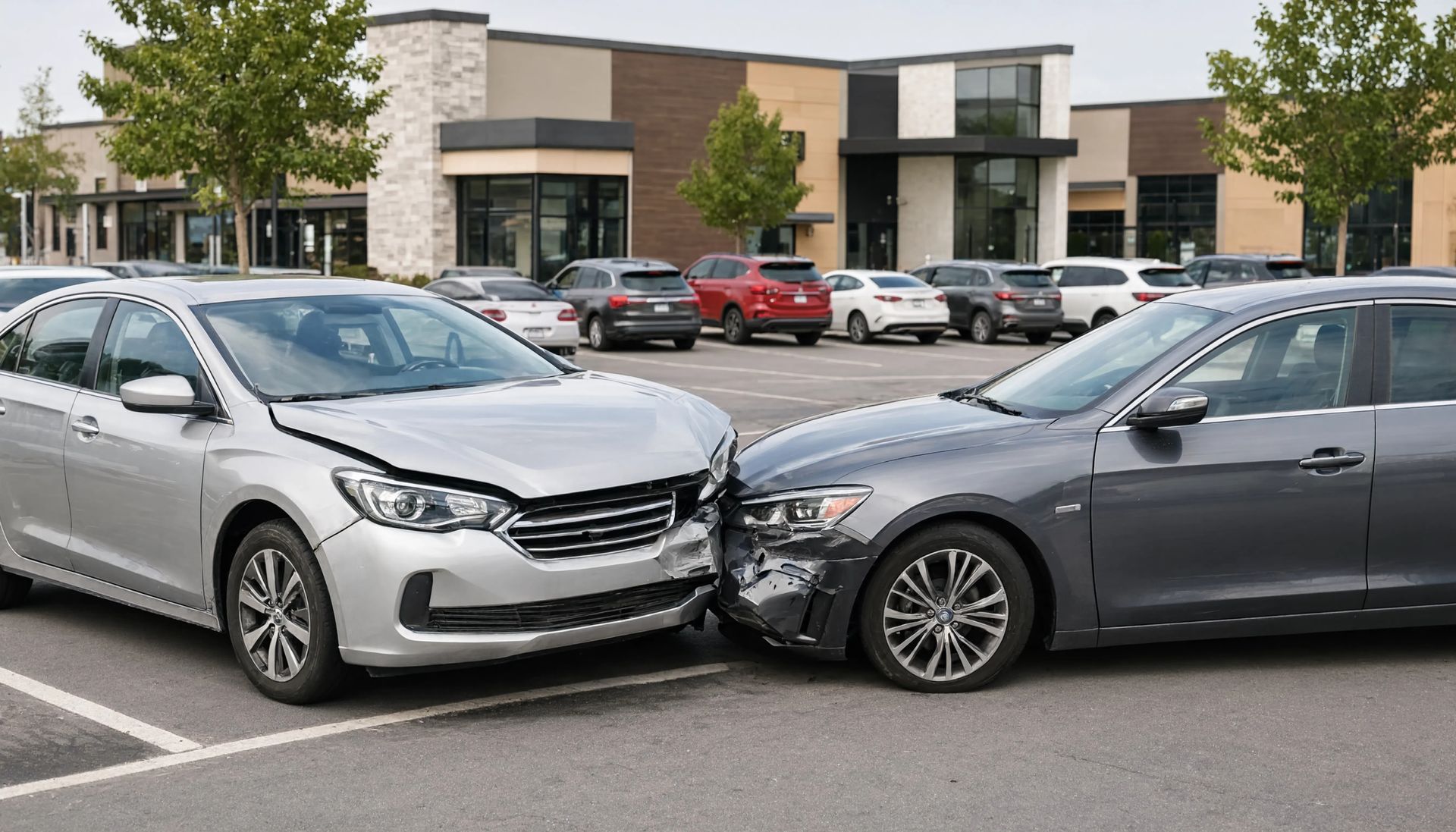
Parking lots are not free-for-alls, but determining fault after an accident on private property can be different from determining fault on a public road.
Drivers still have a responsibility to operate their vehicles safely. Signs, pavement markings, the layout of the parking lot, and what each driver was doing before a collision can all be important when determining who was responsible.
Parking Lot Signs and Pavement Markings Still Matter
Shopping centers, grocery stores, restaurants, and other businesses often use stop signs, directional arrows, crosswalks, and one-way aisles to control traffic through their parking lots.
Whether a driver was following or ignoring those directions before an accident can have a significant effect on fault determinations. For example, if a driver turns into a clearly marked one-way aisle and encounters a vehicle traveling toward them in the wrong direction, the wrong-way driver's actions could be an important factor if an accident occurs.
That does not necessarily make the driver traveling in the right direction blameless. They still need to watch for other vehicles and take reasonable steps to avoid a collision when possible.
What If You Pull Through an Empty Parking Space?
Pulling forward through an empty parking space is not necessarily illegal. However, drivers still need to make sure they can safely enter the next travel aisle.
A vehicle pulling through a space between two parked vehicles may be difficult for other drivers traveling down that aisle to see until it emerges from between the parked cars. If someone pulls forward and enters an active aisle directly in front of another vehicle, the fact that the other vehicle struck them does not necessarily mean the other driver caused the accident.
The movements of both vehicles and who had already established themselves in the travel aisle can be important when determining fault.
What About Cutting Across Empty Parking Spaces?
Drivers sometimes take shortcuts across rows of empty parking spaces instead of following the designated travel aisles.
Even when there is no specific sign prohibiting the maneuver, cutting diagonally across parking spaces can put a vehicle somewhere other drivers may not expect it to be. A collision can happen when the shortcutting driver crosses a travel aisle or another vehicle enters what appeared to be an empty section of the parking lot.
Even if cutting across empty parking spaces does not violate a specific traffic law, it can still complicate fault after an accident.
Determining who was primarily responsible may depend on whether the other driver was moving through an area where vehicles would not normally be expected to travel and whether either driver had a reasonable opportunity to avoid the collision.
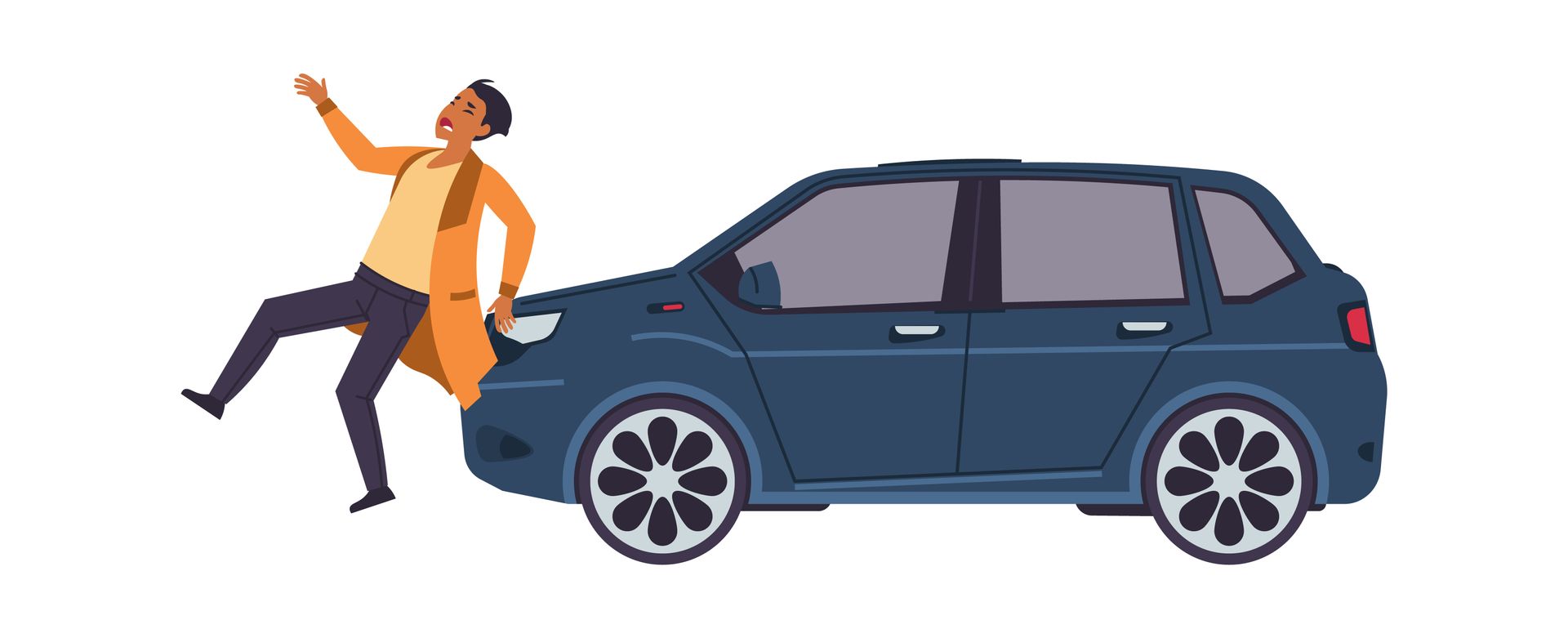
Drivers and Pedestrians Regularly Share the Same Space
Parking lots require drivers to anticipate pedestrians. People routinely:
- Walk between parked vehicles
- Cross travel aisles
- Unexpectedly veer from the side of an aisle toward the middle
- Have their shopping cart and trunk door extending into traffic while loading their vehicles
- Walk behind cars that may begin backing out
Pedestrians can be unpredictable, especially when they’re looking for their car or not paying a lot of attention to what’s going on around them. They do have a responsibility to use reasonable care around moving vehicles.
A driver is not automatically at fault if a pedestrian who is looking at their phone moves unexpectedly or steps in the path of a moving vehicle that doesn’t have time to react.
That doesn’t mean determining who was primarily responsible is easy. The outcome of a parking lot pedestrian accident claim can hinge on injuries, vehicle damage, witness statements, and security video or dashcam footage, especially when disputes arise.
Low Speeds Don't Mean Parking Lot Accidents Can't Cause Injuries
Most parking lot traffic moves considerably slower than traffic on Veterans Memorial Boulevard, Causeway Boulevard, Clearview Parkway, and other major roads through Metairie. That does not mean every parking lot collision is just a harmless fender bender.
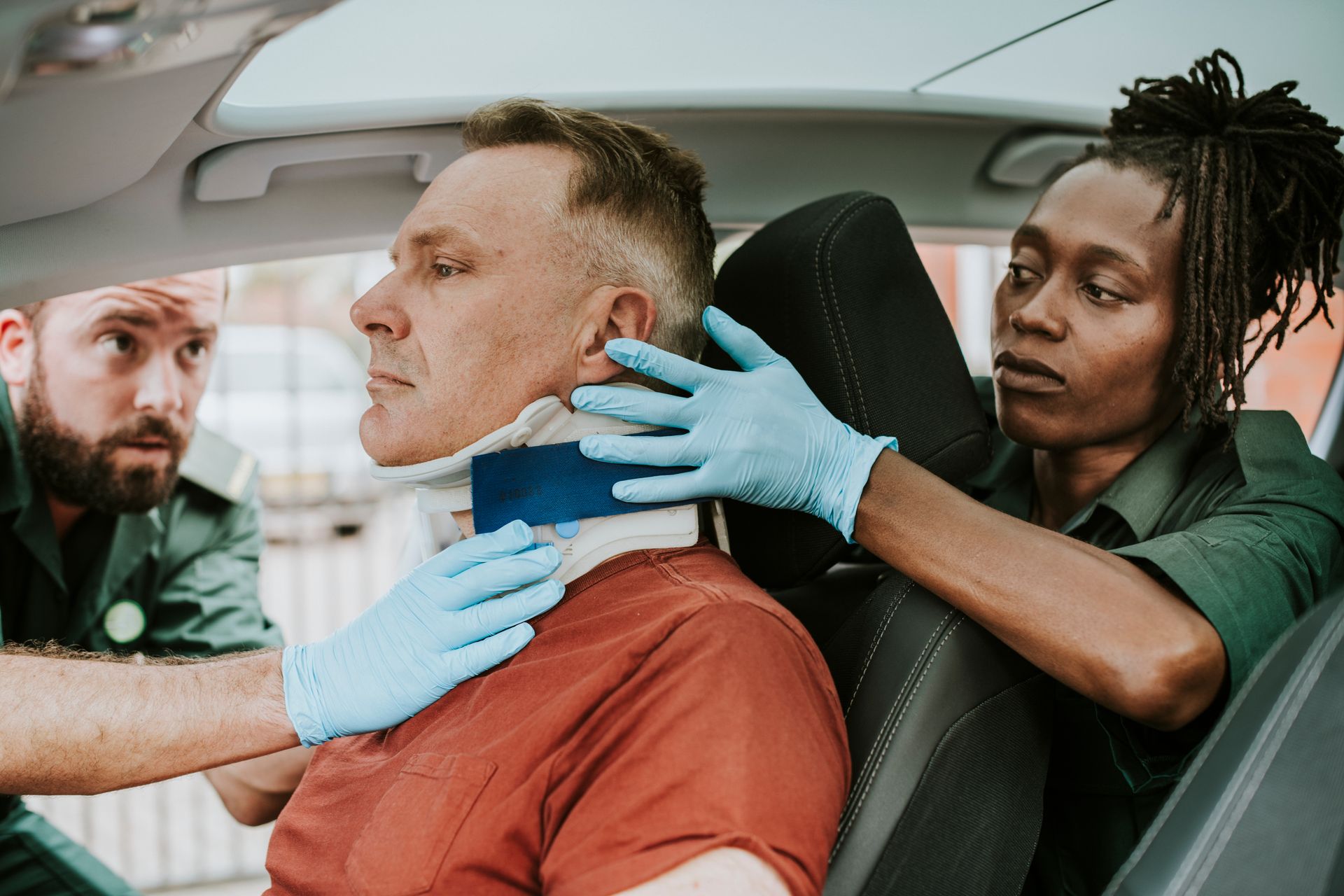
Low-speed collisions can still cause neck, back, and soft-tissue injuries. The consequences can be even more serious when a vehicle strikes a pedestrian who does not have the protection provided by a vehicle.
If someone is injured, the fact that the accident happened at a relatively low speed does not prevent them from pursuing an injury claim.
Were You Injured in a Parking Lot Accident?
If you've been injured in a parking lot accident in Metairie or elsewhere in the New Orleans area, Lawyer Don can review what happened, explain your legal options, and help you pursue compensation from the responsible party.
Call (504) 217-2250 for a free consultation with personal injury lawyer Donald D'Aunoy Jr. You pay no attorney fees unless he wins your case.