Why “Minor” Rear-End Accidents on I-10 Can Still Cause Serious Injuries
Traffic on I-10 through Metairie can change quickly. Vehicles may be moving at highway speeds one minute and braking for congestion around Causeway Boulevard, Clearview Parkway, or the I-610 split the next.
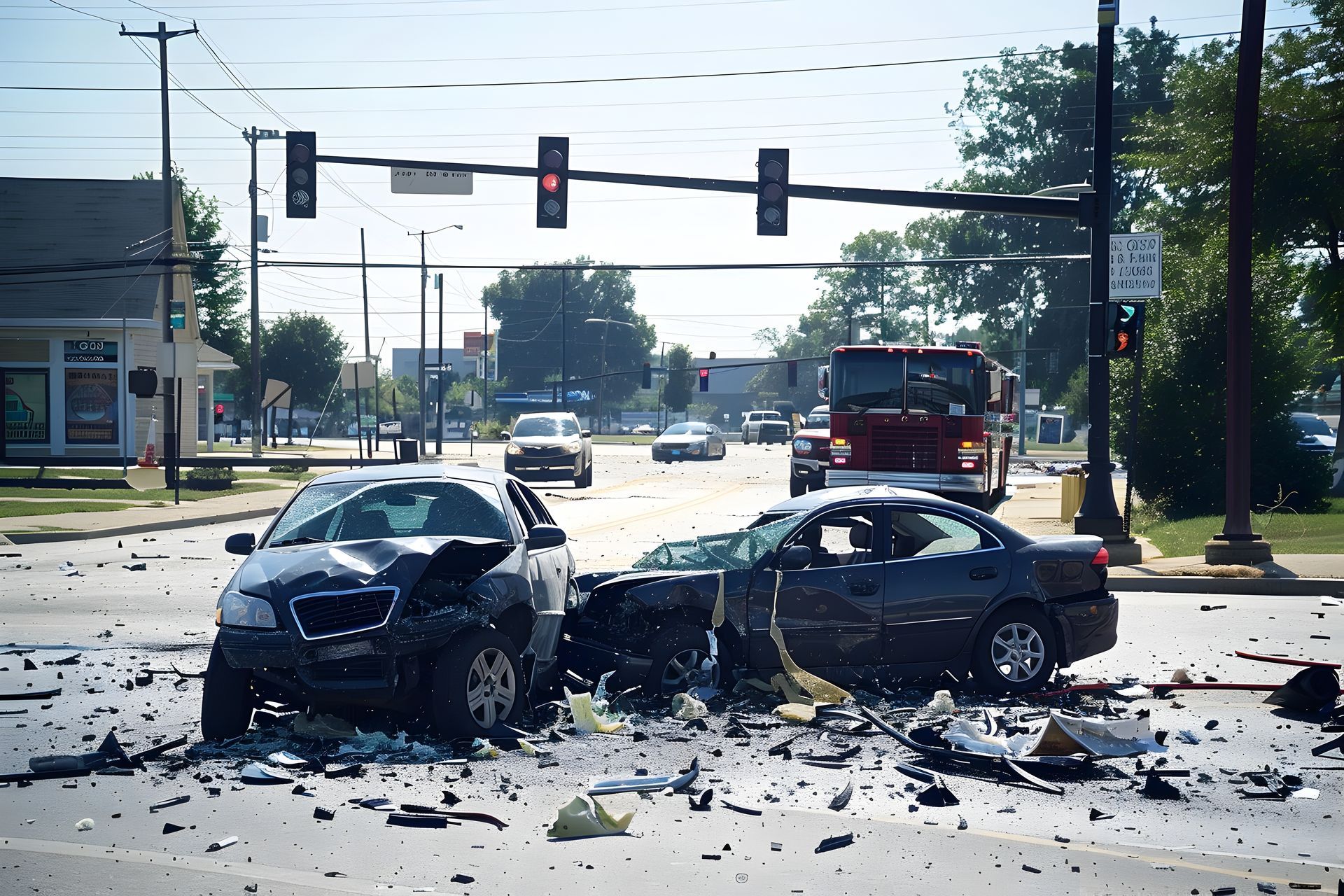
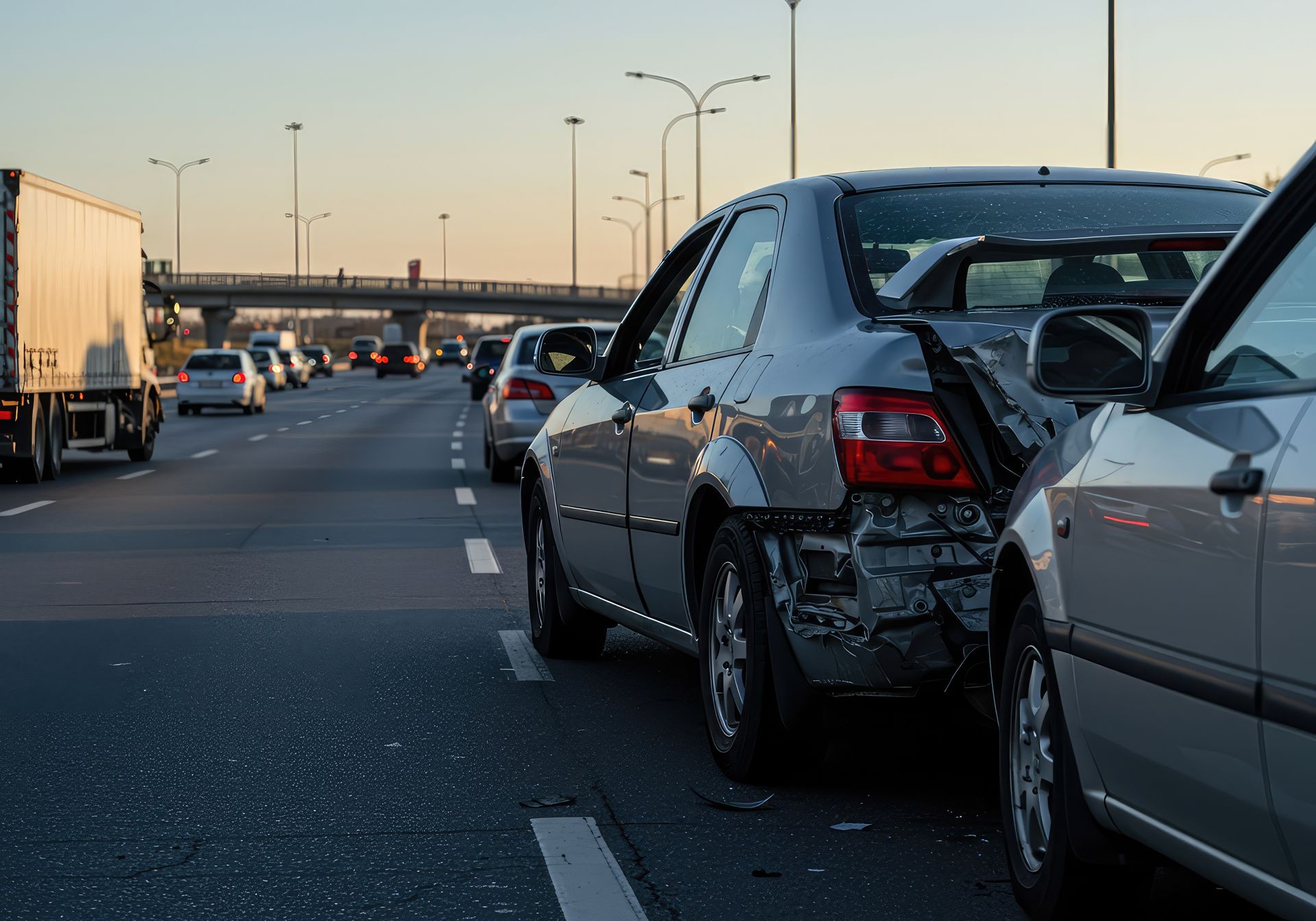
Crash damage from a rear-end collision in stop-and-go traffic doesn’t always look dramatic. Both vehicles may still be drivable, and the bumper of the vehicle that was hit may show relatively little visible damage.
That does not necessarily mean the people inside escaped without serious injuries.
Stop-and-Go Traffic Creates Rear-End Accident Risks on I-10
The stretch of I-10 through Metairie carries heavy commuter traffic and includes several busy exits and interchanges where vehicles frequently change lanes, merge, or slow down.
Around Veterans Memorial Boulevard, Clearview Parkway, and Causeway Boulevard, traffic approaching an exit may back up while vehicles in adjacent lanes continue moving at highway speeds.
Drivers attempting to avoid a backed-up lane may also merge into faster-moving traffic and then try to move back over closer to an exit.
A driver who is distracted or looking for an opening may have little time to react when traffic ahead suddenly slows or stops.
A Damaged Bumper Doesn't Tell You How Badly Someone Was Hurt
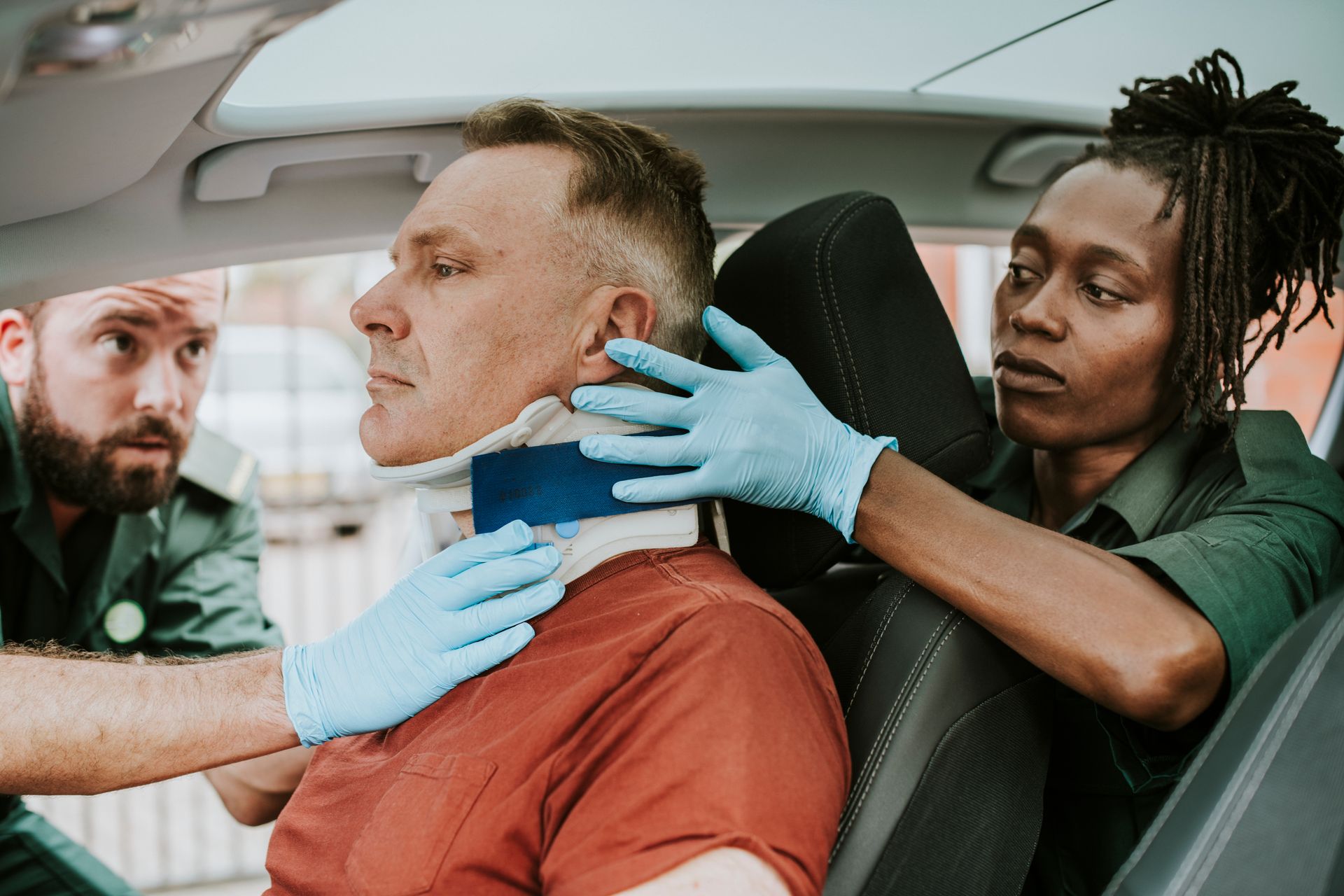
Limited vehicle damage does not necessarily mean the driver and passengers escaped without significant injuries. A rear-end impact can abruptly force an occupant’s head, neck, and body forward before whipping them backward, potentially injuring muscles, ligaments, discs, and other structures in the neck and back.
Insurance companies sometimes challenge injury claims by pointing to relatively minor bumper or auto body damage as evidence that the impact was not severe enough to have caused a serious injury. Photographs of the vehicles are relevant evidence, but they do not establish the full extent of what happened to the people inside them.
Neck and Back Injuries May Not Be Obvious Immediately
One of the biggest risks for rear-end accident injury claims is underestimating the extent of injuries right after the accident. It’s not uncommon for someone to feel fine in the hours after a rear-end crash and then, the next day, begin to experience:
- Neck pain or stiffness
- Lower or upper back pain
- Headaches
- Shoulder pain
- Muscle soreness
- Numbness or tingling
- Reduced range of motion
Some injuries cause immediate and unmistakable symptoms. Others may initially produce relatively mild discomfort that becomes more noticeable during the hours or days after an accident.
Feeling relatively normal immediately after a crash does not necessarily mean you are uninjured. Pay attention to new or worsening symptoms in the hours and days that follow.
Waiting to See a Doctor Can Make an Injury Claim More Difficult
Not seeking medical attention as soon as possible can make pursuing an injury claim more difficult.
Medical records can help establish when symptoms appeared, what problems you reported, what doctors found during examinations, and what treatment was recommended. If you wait days or weeks before reporting an injury, an insurance company may question whether your symptoms were actually caused by the accident.
If you tough it out and wait days or weeks before seeing a doctor, the insurer may also argue that someone who was seriously injured would have sought treatment sooner or suggest that the injury occurred sometime after the collision.
That doesn't mean everyone involved in a rear-end accident needs emergency treatment. But if you develop pain, stiffness, headaches, numbness, dizziness, or other symptoms after a crash, getting evaluated as soon as possible can establish a record of when those symptoms began.
Don't Assume an I-10 Rear-End Accident Was “Minor”
A rear-end collision doesn't have to leave a vehicle totaled to cause an injury that affects a driver or passenger’s ability to work, sleep, drive, or perform normal daily activities.
If you've been injured in a rear-end accident on I-10 in Metairie or elsewhere in the New Orleans area, Lawyer Don can help you understand your options and deal with the insurance company.
Call (504) 217-2250 to schedule a free consultation. You pay no attorney fees unless he wins your case.