Who Is Liable When a Cruise Ship or Passenger Boat Is Involved in an Accident?
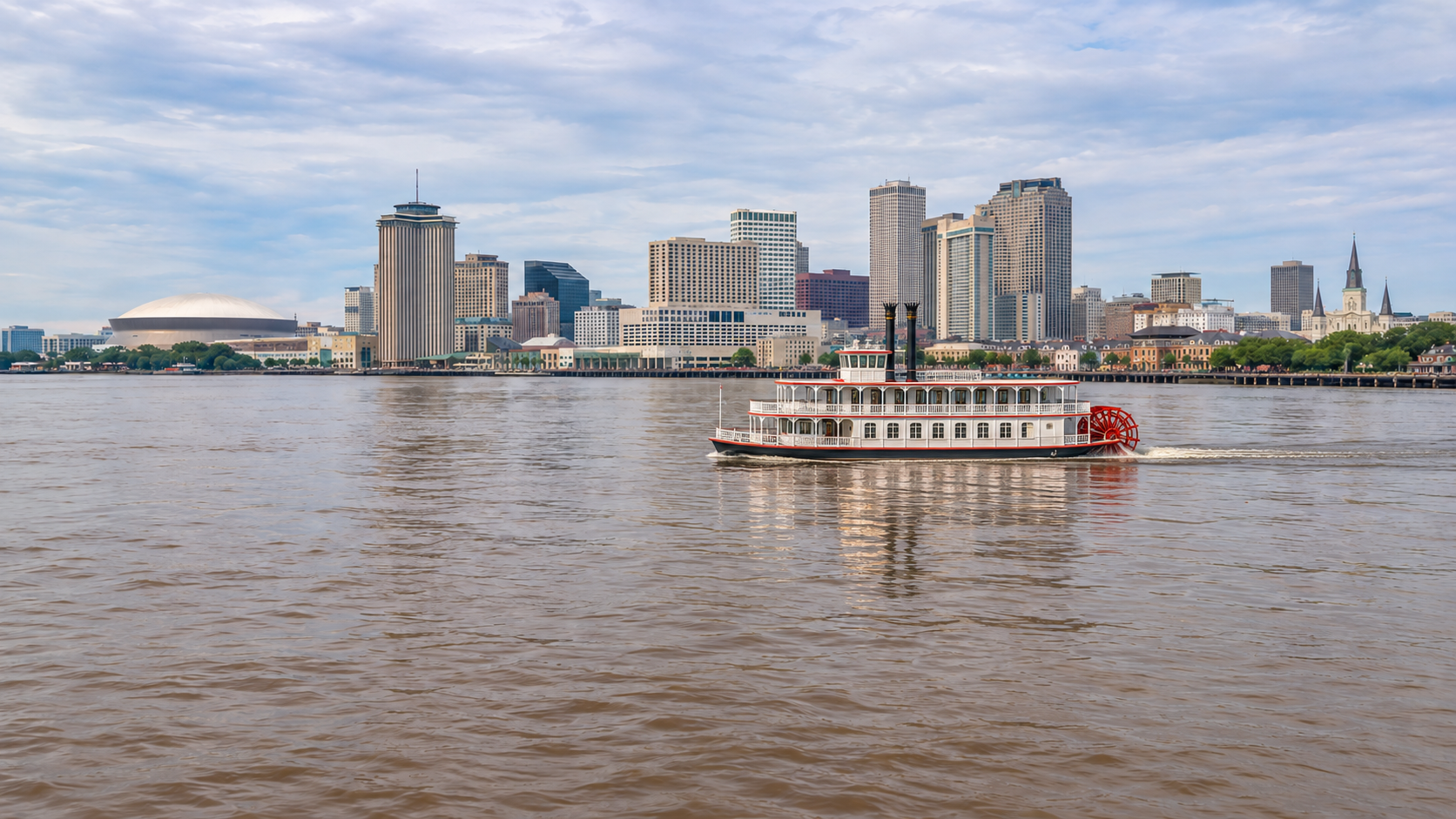
On November 13, 2026, a large tanker, the Atlantic Asphalt, collided with the American Heritage, a docked river cruise ship on the Mississippi River in New Orleans, causing the passenger vessel to capsize. The accident sent passengers and crew into the water, injured dozens of people, and raised questions about what went wrong and who might be held responsible.
Accidents involving river cruises, ferries, sightseeing boats, and other passenger vessels can result in serious injuries and complicated liability claims. Determining who is responsible often requires an investigation into the actions of vessel operators, mechanical failures, and applicable maritime laws.
What Happened During the November 2026 Mississippi River Cruise Ship Accident?
The collision caused the riverboat to roll onto its side and partially sink, forcing an emergency evacuation. According to initial reports, 32 people were transported to hospitals, including two harbor police officers involved in the rescue. Fortunately, everyone aboard survived.
Preliminary findings from the National Transportation Safety Board (NTSB) indicated that the tanker's steering system malfunctioned approximately two minutes before the collision, causing its rudder to become stuck in a position that directed the tanker toward the docked riverboat.
The NTSB investigation remains ongoing, and investigators have not issued a final determination of the accident's cause or responsibility.
Who Can Be Held Liable for a Passenger Boat Accident?
When a passenger boat is involved in a collision, liability depends on what caused the accident and whether negligence contributed to it. Depending on the circumstances, potentially responsible parties may include:
- Vessel operators: Captains, pilots, and other personnel may be responsible when navigational errors, excessive speed, or failure to follow safety procedures contribute to an accident.
- Vessel owners and operating companies: Companies may face liability for negligent maintenance, inadequate crew training, or the actions of employees operating their vessels.
- Maintenance contractors and equipment manufacturers: Mechanical failures involving steering systems, propulsion equipment, or other critical components may raise questions about negligent maintenance or defective equipment.
- Passenger vessel operators: Even when another vessel causes a collision, the operator or owner of a cruise ship, ferry, or other passenger boat may share liability if inadequate safety measures, evacuation procedures, or emergency responses contribute to passengers' injuries.
Although preliminary reports of the November 2026 Mississippi River accident identified a steering failure aboard the tanker, many questions remain unanswered.
Investigators will need to examine the circumstances surrounding the collision, as well as factors that may have affected the severity of passengers' injuries, the evacuation, and the emergency response. The full extent of each party's responsibility may not become clear until the investigation is complete.
Can You File a Claim If You Weren't Physically Injured but Your Cruise Was Ruined?
Not everyone involved in a serious boating accident requires hospitalization or even immediate medical treatment. Some passengers escape without physical injuries but experience considerable emotional distress, disrupted travel plans, and financial losses.
Whether these circumstances support a legal claim depends on what happened.
Emotional distress: Maritime law may permit certain claims for psychological injuries even when a passenger did not suffer a physical injury. For example, someone who was aboard a capsizing vessel and genuinely feared drowning may have a legitimate basis for an emotional distress claim.
However, experiencing fear or anxiety does not automatically establish a right to compensation. Courts consider whether the passenger was actually exposed to a risk of physical harm, the severity of the psychological injury, and other circumstances.
Interrupted cruises and ruined vacations: Passengers whose cruises are canceled or cut short may have grounds to seek refunds, reimbursement for additional travel expenses, or other compensation. However, these matters may be governed by the cruise operator's ticket agreement and applicable consumer protection or contract laws.
For example, a passenger whose cruise ended prematurely but who was never in physical danger may have a contractual claim for unused services without having a viable personal injury claim.
Similarly, developing a fear of future cruises does not, by itself, establish that a cruise operator or another party owes compensation.
The distinction between an unpleasant experience and a legally compensable injury is important, particularly when considering claims arising from a major maritime accident.
What Should You Do After Being Injured in a Passenger Boat Accident?
If you're injured aboard a river cruise, ferry, sightseeing boat, or other passenger
vessel, the steps you take afterward can affect your ability to pursue compensation.
- Seek medical attention. Even if your injuries initially appear minor, an examination can identify problems that might otherwise go unnoticed.
- Document what happened. Preserve photographs, videos, witness contact information, and any communications from the vessel operator.
- Keep records of your losses. Save medical bills, receipts for additional travel expenses, proof of missed work, and other documentation.
- Retain your ticket and booking agreement. Passenger agreements may contain provisions affecting where and when certain legal claims must be filed.
- Speak with a maritime injury attorney. Passenger boat accidents may be governed by federal maritime law, and cruise operators' ticket agreements can contain important restrictions on when and where injury claims must be filed.
Although passenger boat accidents share some similarities with car and truck crashes, the legal questions can be considerably different. An attorney familiar with maritime injury claims can help determine which laws apply and who may be responsible.
Injured in a Maritime Accident in the New Orleans Area? Contact Lawyer Don
Personal injury attorney Donald D'Aunoy Jr. has represented clients injured in vessel collisions and other maritime accidents throughout Louisiana, including cases involving the Mississippi River, Lake Pontchartrain, and the Gulf of Mexico.
If you or a loved one suffered injuries in a passenger boat accident, contact Lawyer Don at (504) 508-6414 to schedule a free consultation and discuss your legal options.