Why 18-Wheeler Accidents Near I-10, Clearview Parkway, and Causeway Boulevard Are So Serious
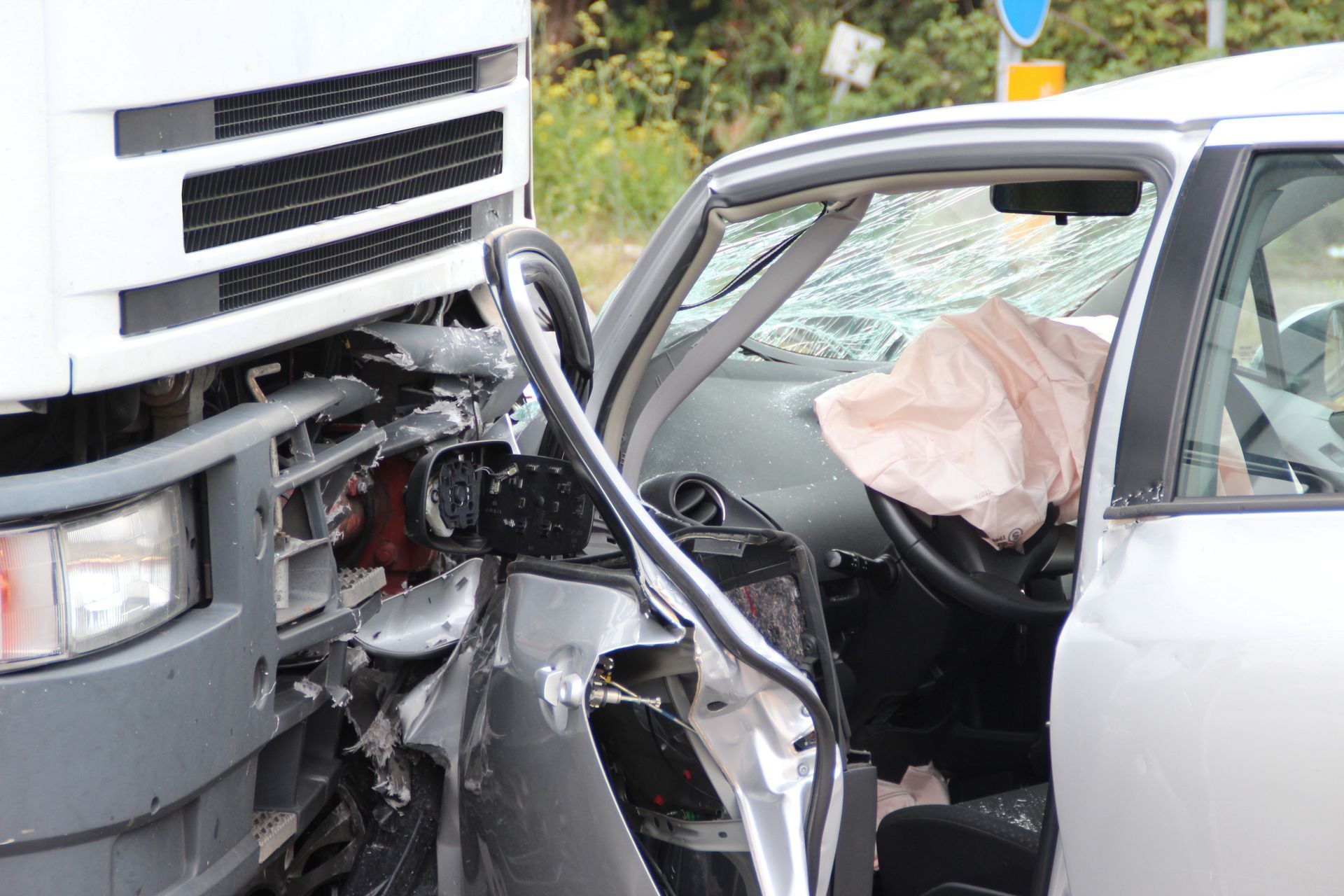
The I-10 interchanges at Clearview Parkway and Causeway Boulevard are among the busiest traffic areas in Metairie. Throughout the day, passenger vehicles, commercial trucks, delivery vans, and commuters all converge as drivers enter and exit the interstate. These areas require constant merging, lane changes, acceleration, and braking as traffic transitions between local roads and highway speeds.
When an 18-wheeler is involved, those traffic conditions can contribute to particularly serious crashes. Truck accident claims also tend to be far more complex than ordinary car accident cases because commercial vehicles are subject to additional regulations, larger insurance policies, and more extensive investigations.
Merging Traffic Creates More Opportunities for Collisions
Drivers approaching the I-10 interchanges at Clearview Parkway and Causeway Boulevard are often trying to position themselves for an entrance ramp, exit ramp, or nearby turn. At the same time, tractor-trailers may also need to move across multiple lanes to continue on the interstate or prepare for an upcoming exit.
Large commercial trucks require significantly more time and distance to safely merge than passenger vehicles. Unfortunately, some drivers attempt to pass a truck before it can complete a lane change or make last-second lane changes to avoid missing an exit. When several vehicles are making simultaneous lane changes around 18-wheelers, the risk of a collision increases.
Speed Differences Can Make Truck Crashes More Severe
Traffic around interstate interchanges rarely moves at one consistent speed. Some vehicles are slowing to exit the interstate while others are accelerating onto it. Nearby traffic on Clearview Parkway or Causeway Boulevard may also be stopping for traffic signals or congestion while highway traffic continues moving much faster.
Drivers who encounter unexpected stopped traffic may brake suddenly or attempt a last-second lane change to avoid the backup, creating dangerous situations for everyone nearby.
When an 18-wheeler is involved, those sudden changes in traffic flow become even more hazardous. Commercial trucks require much longer stopping distances than passenger vehicles, and a fully loaded tractor-trailer may weigh 20 to 30 times as much as a typical car. As a result, collisions at interstate speeds often involve significantly greater forces and more serious injuries.
Large Trucks Have Significant Blind Spots
Commercial trucks have blind spots on both sides of the trailer, directly behind the trailer, and in front of the cab. Those blind spots become especially important near interstate interchanges, where both trucks and passenger vehicles are frequently changing lanes.
A passenger vehicle traveling alongside a trailer may remain outside the truck driver's view longer than expected. If the truck begins moving into an adjacent lane without realizing another vehicle is there, the results can be catastrophic.
Likewise, motorists should avoid lingering beside a truck whenever possible, particularly as traffic approaches entrance ramps, exit ramps, or areas where multiple lane changes are common.
Responsibility May Extend Beyond the Truck Driver
Unlike most passenger vehicle collisions, truck accident claims often involve more than simply determining whether the driver made a mistake.
Depending on the circumstances, investigators may also examine whether responsibility extends to:
- The trucking company
- A maintenance provider responsible for servicing the truck
- A company that improperly loaded or secured cargo
- Another driver whose actions contributed to the collision
Determining liability may require reviewing company records, maintenance history, and other evidence that would not normally exist in an ordinary car accident case.
Truck Accident Evidence Is Often More Extensive
Commercial trucks generate and maintain significantly more operational records than passenger vehicles. Depending on the circumstances, evidence in a truck accident case may include:
- Electronic logging device (ELD) data
- Hours-of-service records
- Maintenance and inspection records
- Dashcam footage
- Vehicle electronic data
- Driver qualification and training records
Some of this information may play an important role in determining how the crash occurred and whether federal safety regulations were followed. Because certain records may not be retained indefinitely, preserving evidence early can become an important part of investigating a truck accident claim.
If you've been injured in an accident involving an 18-wheeler near I-10, Clearview Parkway, Causeway Boulevard, or elsewhere in Metairie, call Lawyer Don at (504) 508-6414. He can review your case, explain your legal options, and help you understand the next steps.