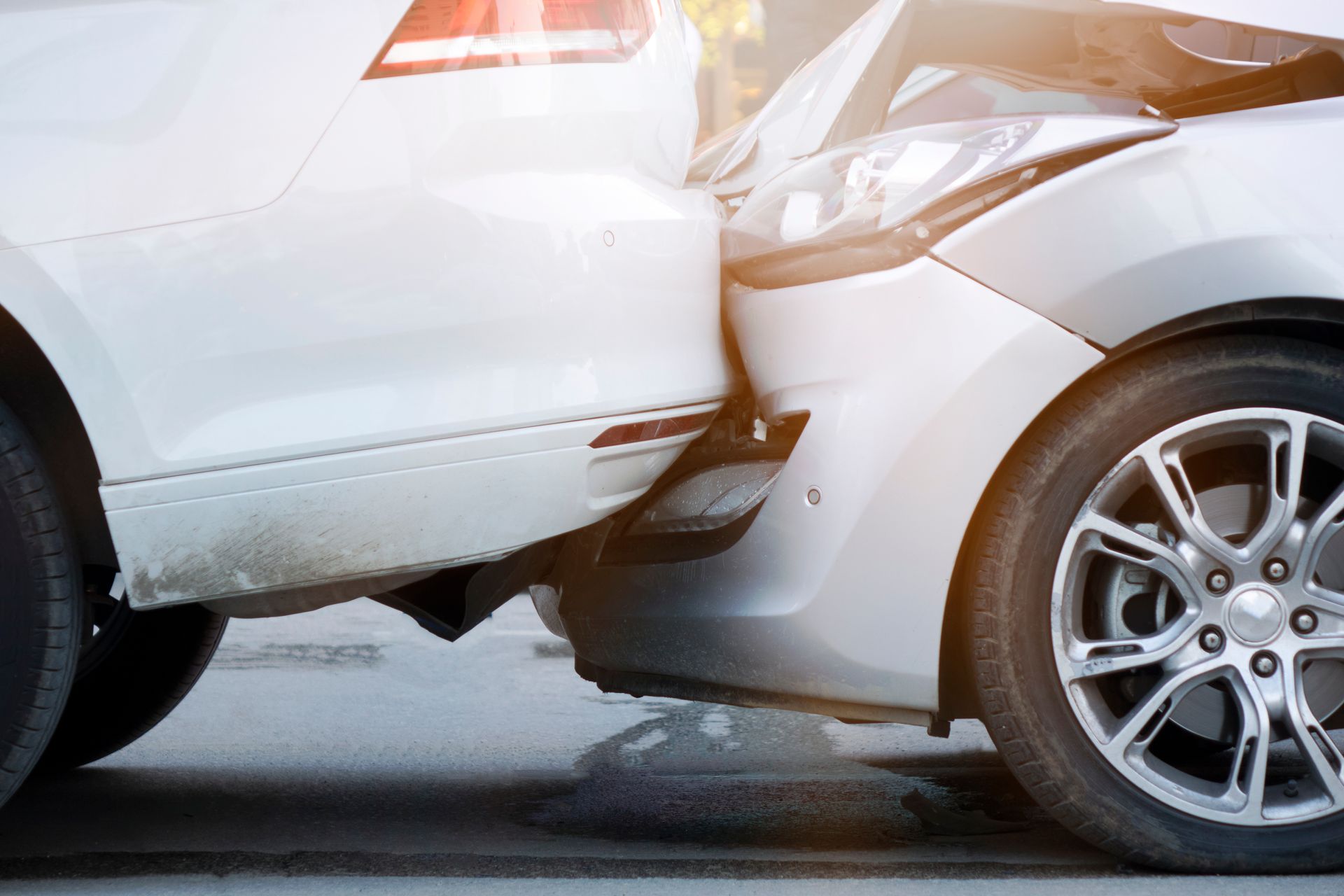
How Clearview Parkway's Mixed Traffic Can Lead to More Complex Car Accidents
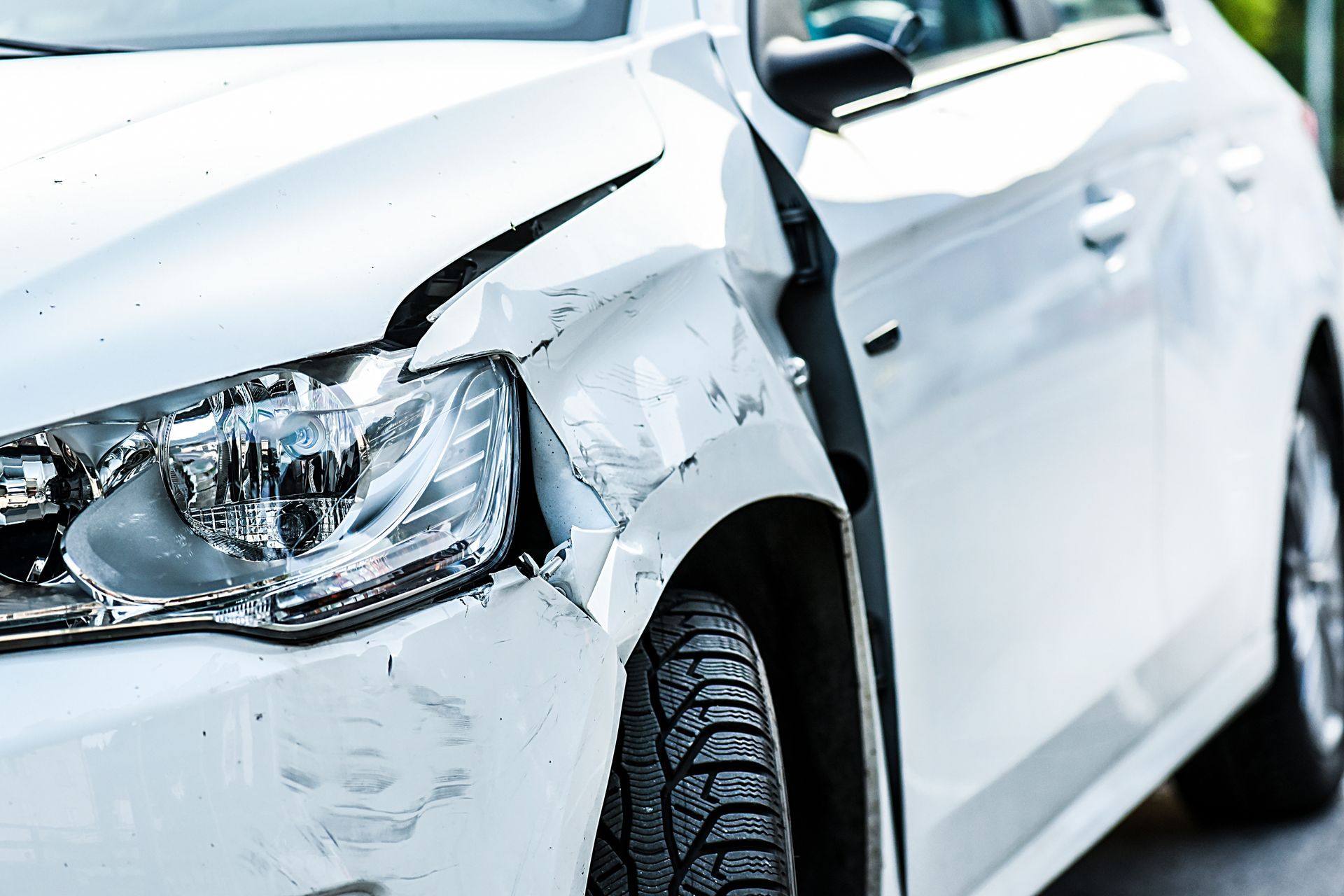
Clearview Parkway is one of Jefferson Parish's busiest north-south corridors, connecting residential neighborhoods, shopping centers, restaurants, medical offices, businesses, and Interstate 10. Throughout the day, commuters, local residents, delivery vehicles, and shoppers are all using the same roadway for very different purposes.
That mix of traffic patterns can make certain types of accidents more likely. It can also make determining exactly how a crash occurred more complicated, especially when several vehicles or conflicting accounts are involved.
Commuters and Local Drivers Don't Always Drive the Same Way
Many drivers use Clearview Parkway simply to travel between neighborhoods, work, or Interstate 10. Others are making short local trips, or slowing unexpectedly to turn into a subdivision, gas station, restaurant, or shopping center.
Those different driving patterns can increase the risk of:
- Rear-end collisions
- Sudden braking accidents
- Unsafe lane changes
- Drivers turning across traffic
After a crash, investigators may need to determine whether a driver was following too closely, traveling too fast for traffic conditions, or making an unexpected maneuver that contributed to the collision.
Businesses Create Constant Turning Traffic
Unlike some larger divided roadways, many businesses and homes along Clearview Parkway have direct driveway access to the road. That can create situations where drivers are:
- Waiting to make left turns across traffic
- Pulling into traffic after leaving a parking lot or backing out of a driveway
- Slowing unexpectedly to reach a driveway
- Changing lanes at the last moment to avoid missing a turn
These accidents often come down to timing and visibility. Drivers may disagree about whether there was enough room to complete a turn safely or whether another vehicle was traveling faster than expected.
Major Intersections Bring Several Traffic Patterns Together
Intersections such as Veterans Memorial Boulevard, West Esplanade Avenue, and the I-10 interchange bring together heavy commuter traffic, local drivers, turning vehicles, and commercial traffic all at once.
Multiple turn lanes, long traffic signal cycles, and vehicles traveling in several different directions can make these intersections especially busy throughout the day.
When accidents happen in these areas, determining fault may depend on evidence showing:
- Which driver had the right of way
- Whether a traffic signal had changed
- Where each vehicle was positioned before impact
- Whether multiple drivers contributed to the collision
Interstate Traffic Adds Another Layer of Complexity
Drivers approaching Interstate 10 often begin changing lanes well before reaching the ramps. Some are preparing to merge onto the interstate, while others are exiting and slowing to enter Clearview Parkway.
At the same time, local traffic continues entering from nearby businesses and side streets.
That combination of merging, accelerating, slowing, and lane changes can make crashes near the interchange more difficult to reconstruct than accidents occurring on a typical city street.
Why Evidence Matters After a Clearview Parkway Crash
When several different traffic patterns come together, two drivers may have very different recollections of what happened. Physical evidence often becomes the best way to determine how a collision occurred.
Helpful evidence may include:
- Photographs of the accident scene
- Vehicle damage
- Police reports
- Witness statements
- Dash camera footage
- Surveillance video from nearby businesses or homes, when available
The sooner this evidence is preserved, the easier it may be to establish exactly what happened if liability is later disputed.
If you've been injured in a Clearview Parkway accident and aren't sure what to do next, call Lawyer Don at (504) 508-6414 for a free consultation. He can review your case, explain your legal options, and help you understand the next steps.